Home / Health & Wellness Articles / Mental Health /
Returning to work after a traumatic brain injury
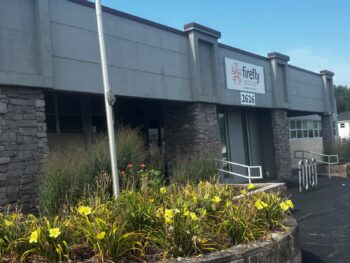
Firefly works with employers and individuals recovering from traumatic brain injuries to find the right fit for success in the workplace
Lisa Glasgow, Manager for Firefly Services
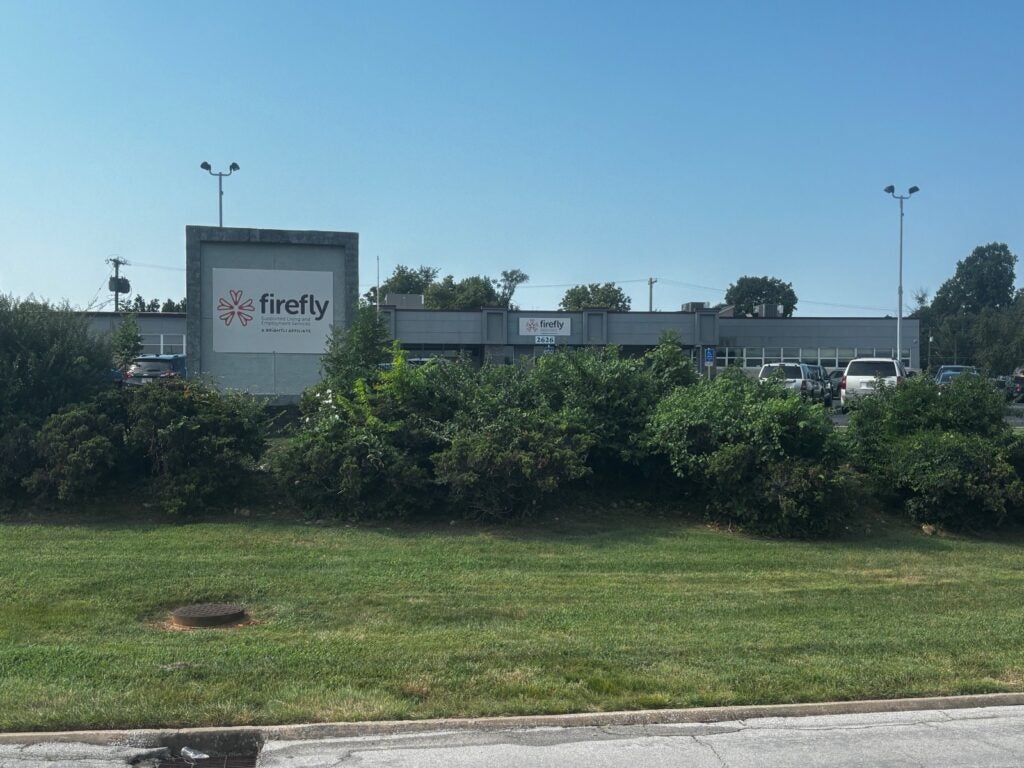
The Springfield Survivor Support Group meets every Wednesday at 2626 W. College Rd. Survivors of traumatic brain injuries gather in a meeting room at Firefly Services to discuss the challenges they face and the triumphs they experience as they navigate living in the aftermath of a life-changing event.
People with 20 years of experience living with the effects of traumatic brain injuries support survivors who are navigating a new world for the first time. The group inspires me. They are by far the strong ones, the fighters. At Firefly, we reiterate how strong they are and point out to them about the strength they don’t always see in themselves due to the sudden life change.
The National Institute of Neurological Disorders and Stroke defines a traumatic brain injury (TBI) as an injury to the brain caused by an outside force. A forceful bump, blow or jolt to the head can cause a TBI with either immediate damage or damage that presents itself gradually in the days and weeks that follow the injury. Individuals who sustain TBIs often spend time in hospitals, then undergo physical therapy, psychiatric or psychological treatment and occupational therapy.
When the intensive treatment of the early aftermath of a TBI winds down, our supportive employment team at Firefly Services helps individuals recovering from TBIs reenter the workforce and take steps to live with more independence.
Firefly clients are referred to our services through the Missouri Department of Elementary and Secondary Education Vocational Rehabilitation offices. After the initial TBI diagnosis and vocational planning and assessment has been completed with the vocational rehabilitation counselor, clients are given a choice of provider. Firefly is one of the only specialized brain injury employment service providers in the area.
All support is individualized depending on the person, their personality and the severity of their brain injury. We work closely getting to know clients in their first meeting and throughout their program. We find out what their day looks like, where they need support and what the barriers are that they may have every day in life.
Firefly support group
For individuals with traumatic brain injuries and individuals in recovery from strokes
Wednesdays, 12:30 p.m.-1:30pm
Firefly Employment Services
2626 W. College Road, Springfield
Contact: LGlasgow@fireflyservices.org
We want to make sure they are interested in whatever work they go into. Sometimes after a traumatic brain injury, a person’s interests can change from then to now. That’s okay. Sometimes our clients try out jobs to get a better feel and look at where they are now versus where they were.
Working with employers
Our employment service is valuable because we work very closely with employers to make sure they have a better understanding and awareness of brain injury and how they can best support the client for long-term success. That takes pressure off the client. They’re not going to an employer and having to request accommodations or explain their situation because we help with that.
Starting in the interview and during the first week, we work very closely with the client to get a good idea of the work environment and supports needed going forward. We do this through on- and off-site job coaching. For many clients starting out after a traumatic brain injury, shorter shifts are the best way to return back into the workforce. With a simple explanation about why the shorter shifts are needed in the beginning, employers have a better understanding and awareness of the impact it can make. Communication is key.
We see a lot of survivors start to shut down and become fatigued after the four-to-five-hour mark. Working up to a full shift gradually can make all the difference and, in some cases, keeping it at the shorter shifts long-term is essential. We’ve seen fatigue firsthand in data entry and in factories where clients overexert themselves and their performance declines significantly past this time period. We make sure the environment is as structured and routine as possible. If changes happen, our coaches can help clients acclimate to the new tasks and really take off to succeed independently.
Other accommodations for traumatic brain injury survivors can include a hat or a ballcap. Fluorescent lights can drain a person’s battery really fast. Sometimes sunglasses are needed to help with that. Checklists and structure work great for short-term memory.
A moment of pause and understanding
Clients with traumatic brain injuries can also be supported with simple deescalation plans. They’re in new environments, trying new tasks and stress can escalate quickly.
Firefly staff recognizes triggers and how accommodations can help relieve the barriers those triggers present in a new work environment. These accommodations can be a simple deescalation technique in their individualized plan. One example is getting away and going to the bathroom for a few minutes. Clients can speak to a Firefly coach on site or call or text a coach. Their life has changed in the blink of an eye, so they can become frustrated, they are not always able to do things the same way they were before. It’s understandable. Sometimes a little bit of understanding and a small break makes all the difference.
Employers don’t always understand brain injuries unless they have sustained one or someone close to them. Brain injury can be considered invisible or hidden, therefore, this can be hard for others to acknowledge. Our team comes in to take some of the pressure off employers to better understand their new team member, and to take pressure off our clients so they can focus on their jobs and not explaining the barriers they may be facing.
About Firefly: Firefly Supported Living and Employment Services serves hundreds of persons with mental and/or physical disabilities so they may live independently and participate in their communities. Firefly provides individualized supported living and meaningful employment services from 23 offices across Missouri. Learn more at fireflyservices.org.
Location Finder
Events
Follow Us