Home / News & Events / National Council for Mental Wellbeing /
National report shows Certified Community Behavioral Health Centers reach 40% of U.S. counties
SPRINGFIELD, Mo. — About 3.4 million people received care from a certified community behavioral health center (CCBHC) in 2025 — a 13% increase from the previous year — according to a report by the National Council for Mental Wellbeing.
Centerstone employs the CCBHC model in Missouri, Illinois and Indiana to deliver mental health and integrated primary care to hundreds of thousands of clients on a yearly basis. Centerstone is the largest nonprofit behavioral health care system in the United States. The National Council’s report shows mental health care is more easily accessible and is resulting in better outcomes for patients at 539 different CCBHC sites across the United States when compared to non-CCBHC providers.
“We believe the CCBHC model will allow us to extend mental health care services to more clients, and to offer them care at a higher quality than they have ever had before,” Centerstone CEO C.J. Davis said. “Scale helps us to serve clients, and we can leverage what we have and figure out ways to push forward evidence-based care and value-based care in what can sometimes be a volatile environment.”
This new edition of the National Council for Mental Wellbeing’s CCBHC Impact Report shows that CCBHCs are reaching people with the highest needs, delivering evidence-based care to individuals with serious mental illness and substance use disorders.
Key findings across behavioral health care
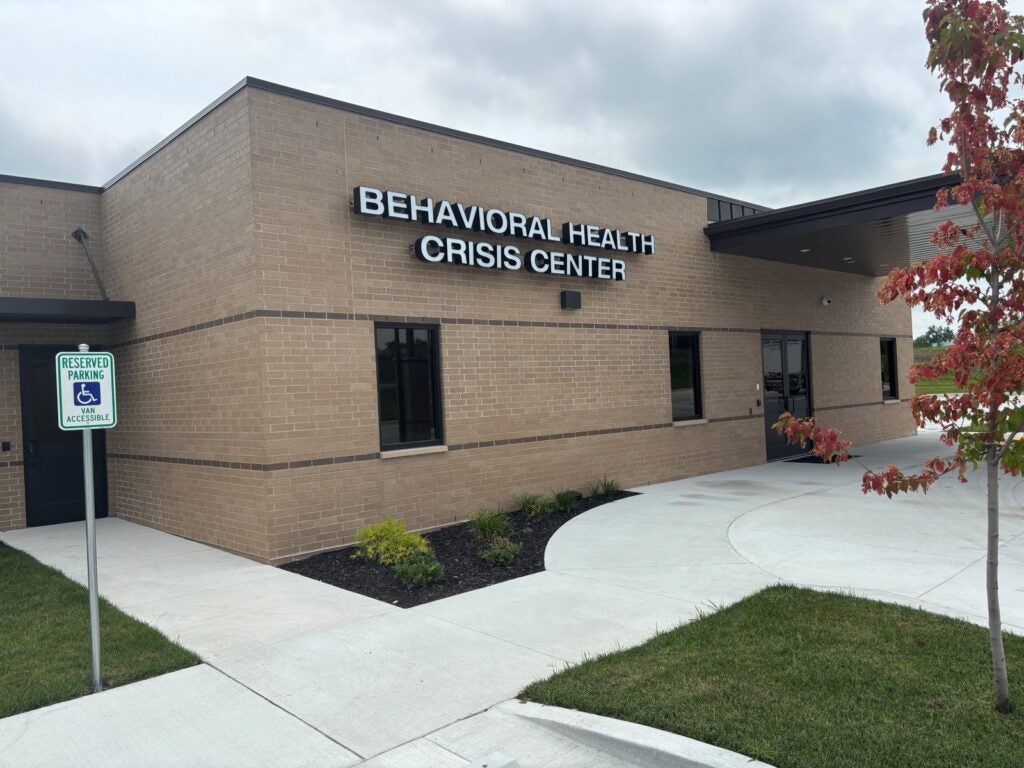
Davis says CCBHC status allows Centerstone to leverage funding and influence to deliver better outcomes for clients in the communities the organization serves.
“The data is very compelling on what having a certified community behavioral health center does to positively impact a community,” Davis said.
For example, in some of its CCBHC counties, Centerstone employs mobile crisis responders who can come to an individual’s home during a mental health crisis event. An individual does not need to be a Centerstone client to get help in a mental health crisis. Mobile crisis response is available 24 hours per day, 365 days per year.
The report notes CCBHCs increase access to mental health care for youth through expanded school-based services, noting that 73% of CCBHCs bring services into schools in some capacity. School-based services eliminate time, transportation and cost barriers for children who benefit from seeing a mental health care provider.
Stability and fulfillment
About 73% of CCBHCs reported reductions in homelessness and increased housing retention among their clients, according to the report. A total of 65% reported their clients had positive outcomes in increased employment, work readiness and job retention in 2025.
“CCBHCs are an innovative solution that help people with mental health and substance use challenges overcome barriers to care,” National Council President and CEO Chuck Ingoglia said. “We’re grateful for the ongoing bipartisan support from Congress as we help to make mental wellbeing — the foundation of living a strong, healthy and fulfilling life — a reality for everyone.”
Across the United States, CCBHCs served nearly 1.4 million people with serious mental illness or serious emotional disturbance, representing 54% of CCBHC clients.
More than 500,000 people in the U.S. with substance use disorder received care from a CCBHC in 2025. Among those living with an opioid use disorder, half received medication-assisted treatment (MAT).
About Centerstone: Centerstone is the largest nonprofit behavioral health organization in the United States. With more than 10,000 team members working at 360 locations in communities across the country, Centerstone provides healing and hope to people of all ages through mental health services, addiction care and social supports. Centerstone is a leader in operations for the 988 Suicide & Crisis Lifeline. Centerstone’s Foundation secures philanthropic resources to support the work and mission of delivering care that changes lives. Learn more at Centerstone.org.
Location Finder
Events
Follow Us